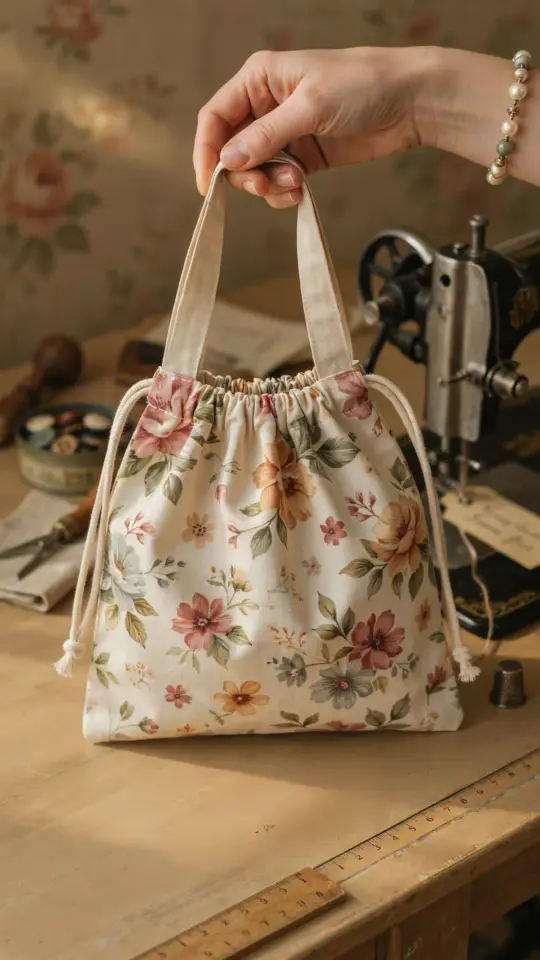
When I first started sewing for a living, I made the mistake of thinking I needed to design complex garments. You know what actually sold? The simple stuff. The zippered pouches, the lined totes, the drawstring bags. I quickly learned that sewing projects for selling don’t need to be complicated to earn real money. In fact, the easiest designs often bring in the most consistent orders because they are quick to stitch and practical for customers. After three years of selling at local markets and on Etsy, I want to share the exact projects and strategies that worked for me.
Finding Profitable Sewing Projects for Beginners
If you are just starting a handmade business, focus on items that take less than an hour to sew and use minimal fabric. My first bestseller was a simple lined cosmetic pouch with a nylon zipper. I made ten in one afternoon and sold seven that weekend. The trick is to pick projects that are beginner-friendly but still look polished. Think clutch wallets, small zip pouches, and fabric key fobs. Avoid anything with fitted curves or advanced tailoring until you have built a steady workflow.
Here are three criteria I use to decide if a project is worth adding to my shop:
- It uses less than half a yard of fabric per item.
- It can be completed in 30 minutes or less (after the first few tries).
- It solves a common need like organizing a purse, holding headphones, or carrying lunch.
The One Project That Sold Out Every Market
I cannot overstate how much my simple flat-bottom tote bag changed my small business. I designed it with a single exterior pocket, a wide strap that sits on the shoulder, and a contrasting lining. The pattern is so straightforward that I taught it to a friend in one afternoon. At my first craft fair, I brought twelve totes in four colors. They all sold before noon. People love a bag that fits a laptop or groceries and looks handmade without looking sloppy. I still make this tote today, and it accounts for about 40% of my Etsy revenue.
What makes it work for selling is the material choice. I use a sturdy cotton canvas and a contrasting quilting cotton for the lining. That combination keeps the cost under six dollars per bag, but customers perceive it as a premium product. I price each tote at $32, which leaves a healthy margin after fees and materials.
Choosing Low Cost Sewing Materials for Selling
Profitability starts at the fabric store. Early on, I bought expensive designer prints and barely broke even. Now I stick with supplier basics: natural cotton canvas, linen blends, and prewashed quilting cotton. I buy in bulk from wholesale fabric distributors online, which drops the per‑yard cost to around $3.50. Hardware like zippers, magnetic snaps, and webbing also come cheaper when you order fifty or a hundred at once.
One specific tip that saved me hundreds: use a single neutral base color (like oatmeal or charcoal) and add a pop of color in the lining or strap. That way one fabric roll works for many projects, and I only need small amounts of accent fabrics. Also, avoid costly interfacing. A midweight fusible interfacing does the job without the high price tag of high‑end brands.
Building a Simple Product Line for Your Handmade Business
You do not need a hundred different items to have a successful shop. I stick to five core products: the flat‑bottom tote, a medium zippered pouch, a small wristlet, a drawstring backpack for kids, and a set of fabric coasters. That is it. Each one uses the same sewing techniques but serves a different customer need. Having a focused line makes my sewing faster because I can batch cut all pieces for twenty pouches at once, then chain piece them without switching threads constantly.
When I expanded to local markets, I added a seasonal item like a reusable gift bag in December or a picnic blanket in summer. But the core five never change. Customers return because they trust the quality of those specific projects, and I never waste time reinventing the wheel. Start with three to five items, refine them until you can sew them in your sleep, then slowly add one new project per quarter.
How to Photograph Sewing Items to Sell on Etsy
Good photos are half the sale. I learned this the hard way after my first few listings got no views. Now I take all product photos in natural daylight near a window, using a plain white background. I shoot from three angles: flat lay, front view, and a lifestyle shot where the item is being held or worn. For pouches,
#sewingprojects #sellonetsy #diycrafts #handmadebusiness #sewingforbeginners
Leave a Comment